ผู้เขียน: aeroole2@gmail.com

  • Bungie Reverses Course on Destiny Content Strategy Under New Leadership

    Bungie Reverses Course on Destiny Content Strategy Under New Leadership

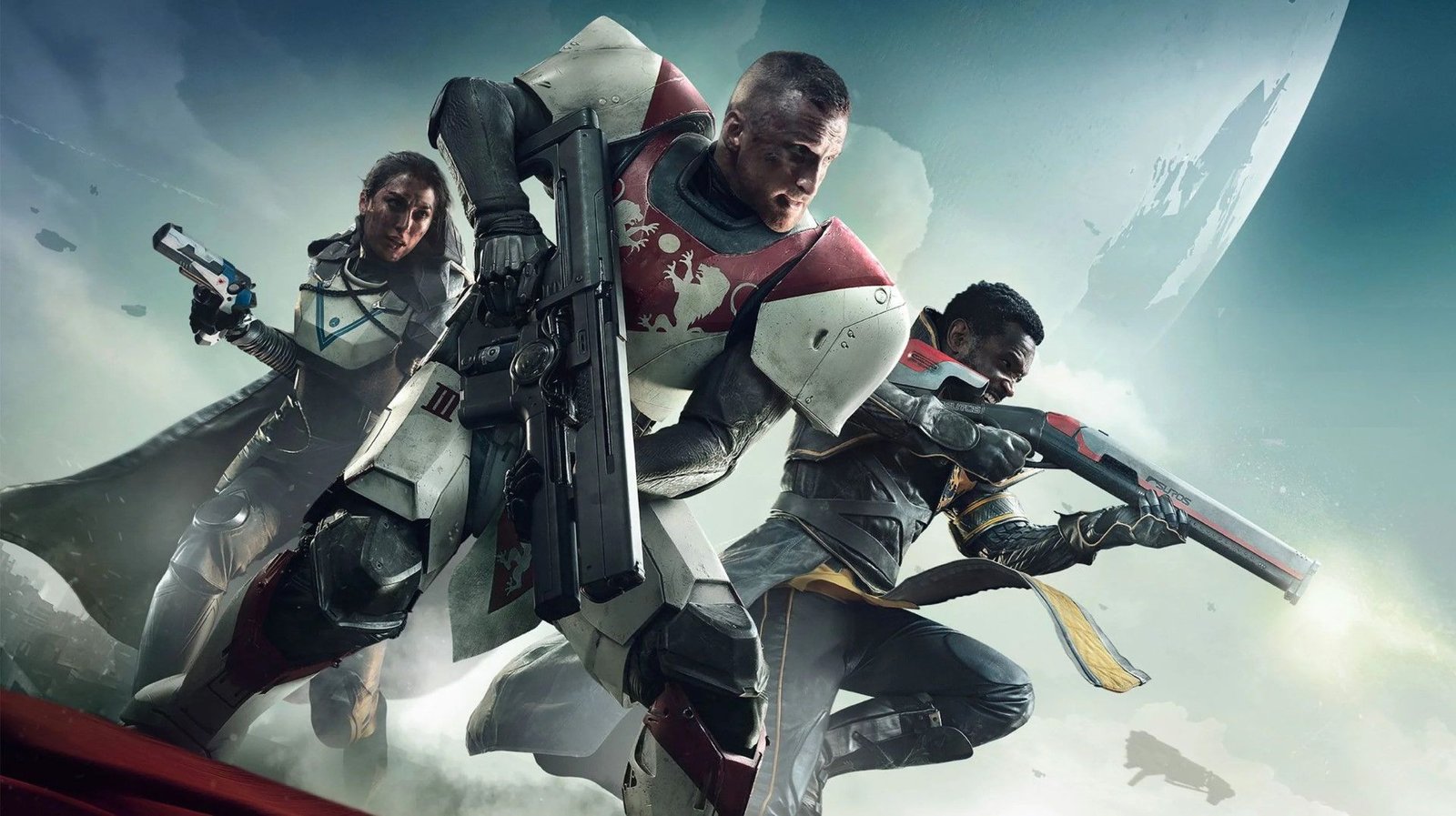
    For years, players of the popular multiplayer shooter have had to cope with the reality of lost content. When the studio previously introduced massive structural changes to the game, several classic campaigns, planets, and raids were sent to what fans referred to as the content vault. This measure was initially defended as necessary to keep the file sizes manageable and the game code stable, but it consistently remained a point of contention within the community, leaving many veterans longing for the days of older expansions.

    Now, a significant shift in perspective at the developer's headquarters suggests that the trajectory of the franchise is altering once again. Recent communications from the studio indicate a renewed commitment to the universe they built over a decade ago. With fresh leadership steering the ship, the team has strongly signaled that they are far from finished supporting the title, emphasizing that the expansive sci-fi world remains a cornerstone of their upcoming business and creative strategy.

    While exact timelines and methods for reintroducing the removed locations and missions have not yet been fully detailed, the mere acknowledgment of the community's desire for this material is a welcome development. Fans have long argued that preserving the narrative history of the game is vital for both returning veterans and new Guardians alike. As the studio maps out the next chapter of the franchise, players will certainly be watching closely to see how these ambitious promises translate into actual updates for the storefront and the game itself.

    Original report: PCGamer latest
  • Unpacking the Surprise Arrival of Lego’s New City Building Venture

    Unpacking the Surprise Arrival of Lego’s New City Building Venture

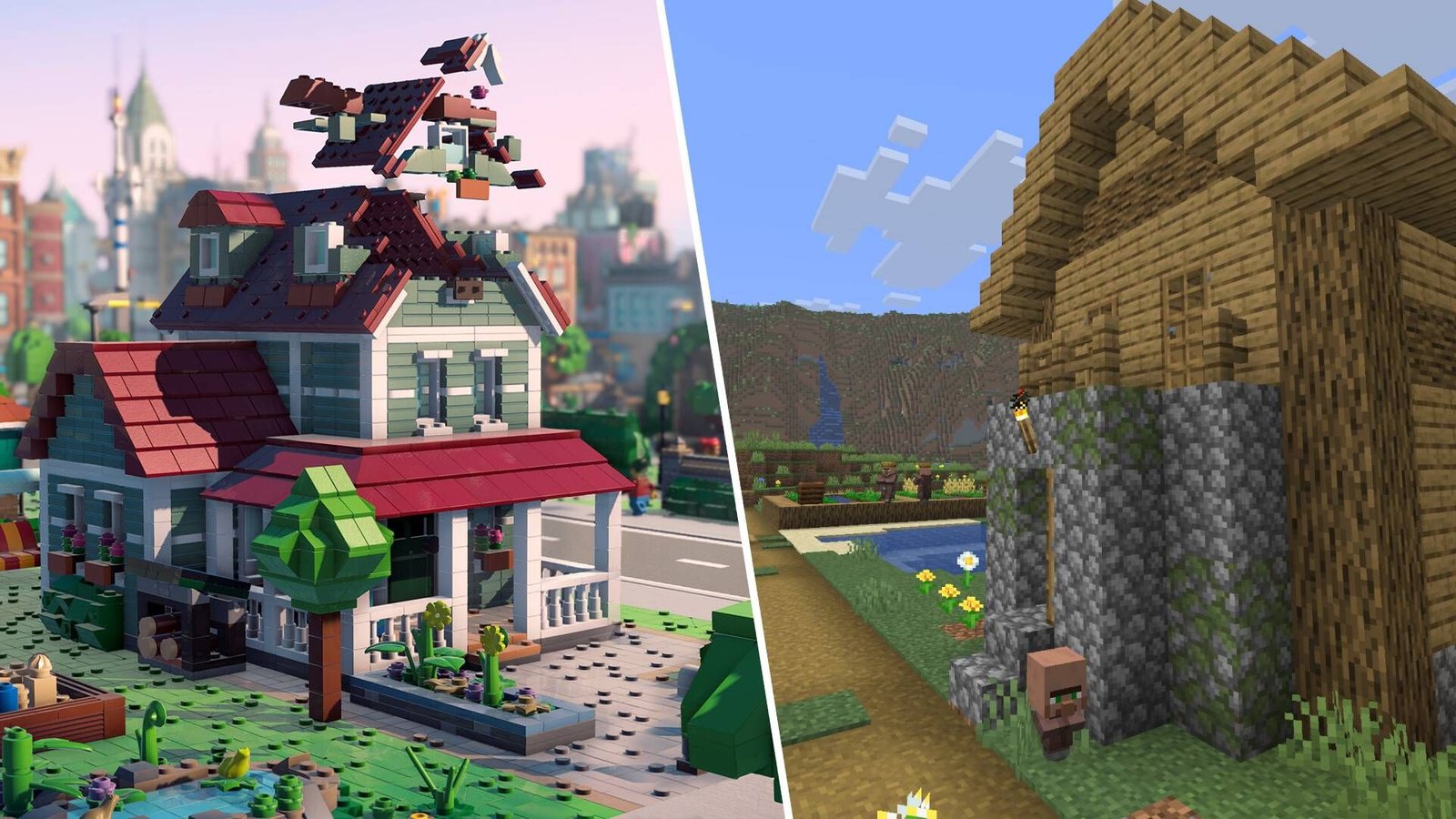
    When thinking about digital block-based creativity and virtual architecture, one title immediately dominates the conversation. For well over a decade, Mojang's legendary survival sandbox has served as the ultimate virtual canvas for players wishing to construct sprawling metropolises, towering skyscrapers, and intricate street networks block by block. Given its monumental success and core mechanics centered entirely around placing and breaking blocks, a dedicated urban planning spin-off feels like the most natural evolution imaginable for the franchise.

    Yet, in a surprising turn of events, the Danish toy giant behind the famous plastic interlocking bricks has swooped in to claim the crown instead. The surprise announcement and release of a dedicated Lego-branded urban creation experience has left many industry watchers and fans alike wondering how the veteran toy titan managed to beat the undisputed king of virtual block-building to the punch. After all, the synergy between digital construction toys and the city-building genre is a match made in heaven.

    While Mojang continues to update its flagship title with new materials, biomes, and redstone mechanics—leaving players to build their dream towns manually using standard survival or creative tools—the Danish competitor has delivered a streamlined, purpose-built experience focused strictly on municipal management and architectural design. For virtual architects and fans of organization-heavy gameplay, this unexpected release provides a fresh alternative that satisfies a very specific craving.

    As players dive into this new digital brick world to zone residential areas, lay down roads, and manage civic services, the burning question remains whether Mojang will eventually respond with its own dedicated urban planning project. Until then, builders looking to orchestrate the ultimate digital skyline have an unexpected new playground to explore, proving that the classic plastic brick still has plenty of surprises left in store for the gaming community.

    Original report: PCGamer latest

  • Why Shapefarm’s Switch 2 Co-Op Game Orbitals Is A Refreshing Change Of Pace

    Why Shapefarm’s Switch 2 Co-Op Game Orbitals Is A Refreshing Change Of Pace

    Cooperative gaming has seen a major resurgence in recent years, largely thanks to studios specializing in bespoke experiences designed exclusively for pairs of players. Among the most prominent names in this space is Hazelight Studios, the creative force behind acclaimed hits like It Takes Two and A Way Out. While these titles are celebrated for their ingenious gameplay mechanics and inventive puzzle design, they often feature characters who are abrasive, deeply flawed, and prone to endless bickering. For many players, navigating the miserable interpersonal conflicts of these protagonists can occasionally detract from the pure joy of cooperative play.

    Enter Shapefarm and their intriguing upcoming project, Orbitals, a title turning heads as a Switch 2 exclusive. During early hands-on time with the game, critics and players alike have noted a fundamental shift in tone compared to Hazelight's established formula. Rather than burdening players with cynical, bickering avatars who seem to resent each other's company, Orbitals appears to offer an antidote to that specific brand of narrative misery. The title emphasizes a different kind of atmospheric connection and player synergy, proving that cooperative adventures do not necessarily require a toxic relationship at their core to be engaging and memorable.

    While full details on Shapefarm's project are still rolling out, the contrast has already sparked exciting discussions within the gaming community regarding the future of shared-screen experiences. As players look ahead to what next-generation hardware like Nintendo's successor console can achieve, the prospect of a co-op game focused on a more pleasant, harmonious dynamic is undeniably appealing. Whether you prefer high-stakes digital arguments or a smoother cooperative journey, having diverse tonal options in the multiplayer space is always a win for gamers everywhere.

    Original report: GameSpot – All Content

  • Insomniac Games Clarifies Stand on Generative AI Following Fan Concerns Over Wolverine Details

    Insomniac Games Clarifies Stand on Generative AI Following Fan Concerns Over Wolverine Details

    Insomniac Games has officially pushed back against recent speculation suggesting the studio utilized generative artificial intelligence during the development of its upcoming superhero title, Marvel's Wolverine. The discussion started online when members of the gaming community circulated screenshots highlighting a peculiar sign located inside a restroom within promotional or early media materials.

    Observant players quickly took to various social media platforms to point out text anomalies and strange visual artifacts on the signage, leading many to suspect that machine-learning tools had been deployed to quickly generate background textures. The presence of nonsensical lettering and odd graphic layouts often associated with early AI image generation sparked a wider debate across the community regarding the use of such technology in AAA game development.

    In response to the growing discussion, the studio clarified that generative tools were not employed to create the asset in question. While modern game development studios increasingly experiment with cutting-edge software to streamline pipelines, player backlash remains strong whenever synthetic assets are suspected of replacing traditional artistry.

    As anticipation continues to build for Marvel's Wolverine, fans remain highly vigilant about the tools and methods used to craft the game's world. Insomniac's swift clarification aims to reassure the community of its commitment to human-driven design as production on the highly anticipated title moves forward.

    Original report: Eurogamer.net Latest Articles Feed

  • Could Tokyo Walled City Be the Ultimate Cyberpunk Immersive Sim We Have Been Waiting For?

    Could Tokyo Walled City Be the Ultimate Cyberpunk Immersive Sim We Have Been Waiting For?

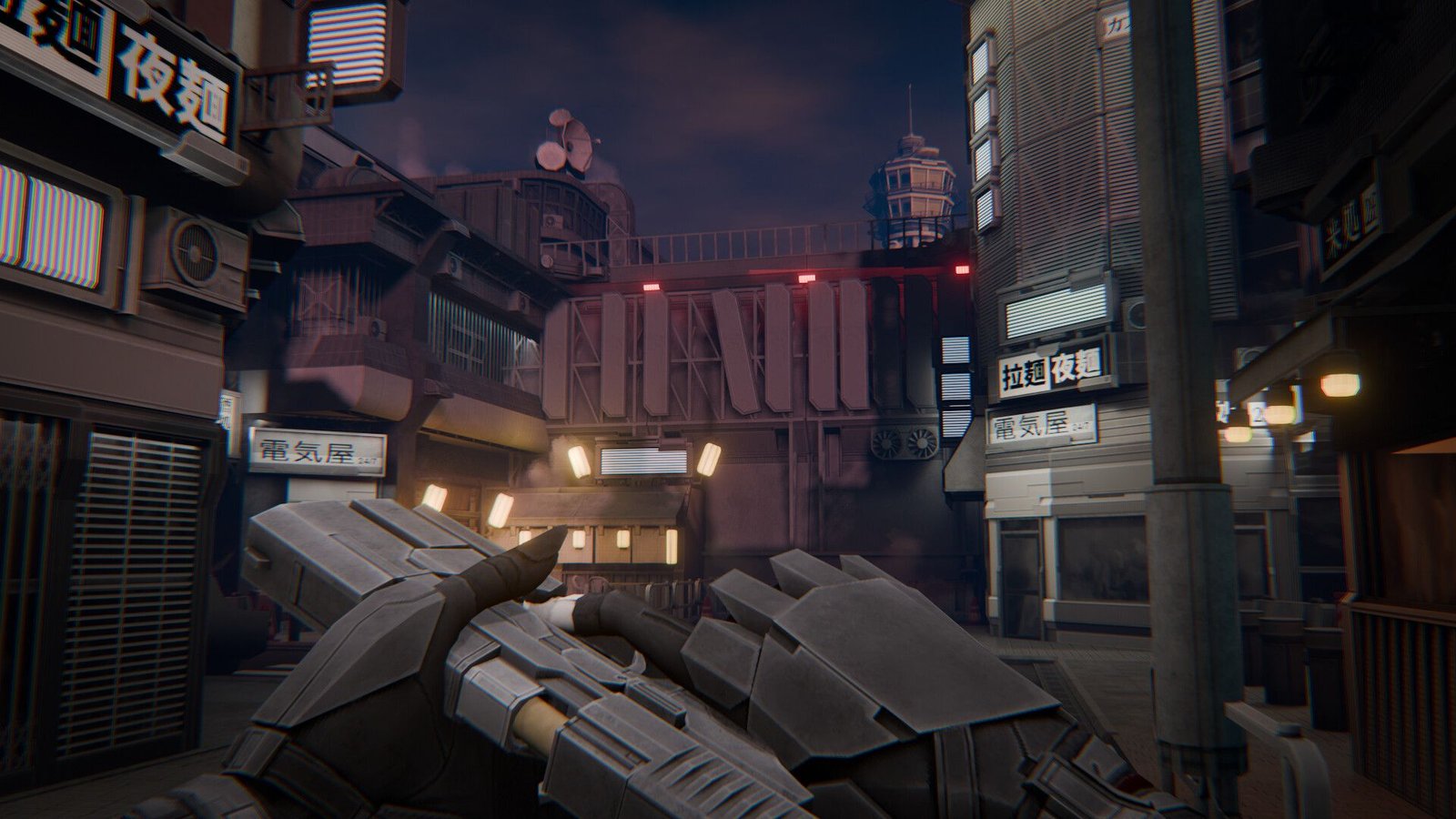
    For years, enthusiasts of dystopian fiction and freedom-of-choice gameplay have searched for an experience that captures the distinct essence of the Deus Ex franchise. The genre of cyberpunk immersive sims has remained remarkably quiet, leaving a noticeable void for players who love dark corporate conspiracies, sprawling vertical cities, and deep mechanical choice. Recently, however, industry chatter has turned toward an intriguing project known as Tokyo Walled City, sparking immense enthusiasm among those craving a return to high-tech, low-life espionage.

    While complete details on Tokyo Walled City are still rolling out, the concept alone strikes all the right chords for veterans of the genre. Set against the backdrop of a heavily restricted, ultra-dense metropolis, the game appears to lean heavily into the themes of isolation, surveillance, and rebellion. Immersive sims thrive on player agency, allowing multiple paths to tackle a single objective—whether through stealth, hacking, diplomacy, or brute force. If Tokyo Walled City embraces these foundational design philosophies, it could easily become the next obsession for fans of classic cyberpunk adventures.

    As we wait for more concrete gameplay reveals and release windows, the excitement is palpable. The gaming community is more than ready for a rich, atmospheric urban playground that honors the legacy of iconic stealth-RPG pioneers. Keep your augmentation gear ready, because Tokyo Walled City just might be the definitive cyberpunk journey we have been crossing our fingers for.

    Original report: PCGamer latest

  • Timeless Wisdom from Valve’s Co-Founder Continues to Shape Game Development

    Timeless Wisdom from Valve’s Co-Founder Continues to Shape Game Development

    The landscape of video game development has transformed dramatically over the past ten years, with shifting business models, evolving platforms, and rapidly advancing technology. Yet, amid this constant state of flux, certain foundational philosophies endure. Wisdom imparted by Valve co-founder Gabe Newell years ago continues to resonate deeply within the industry, offering a guiding light for creators navigating the complex intersection of art, commerce, and player interaction.

    At the heart of these enduring insights is a fundamental understanding of how digital communities operate. Newell has long emphasized the importance of listening to players, respecting their intelligence, and recognizing the boundary between disruptive exploits and legendary community moments. Rather than aggressively clamping down on every unexpected player behavior, the philosophy encourages a more nuanced approach—one that views passionate engagement, even when it stretches the rules, as a sign of a vibrant and deeply invested player base.

    For indie studios and AAA powerhouses alike, applying these lessons can be the difference between a fleeting release and a lasting classic. Building trust and allowing room for organic community culture creates a resilient ecosystem around a title. As the industry looks toward the next generation of hardware and virtual worlds, the reminder that player agency and open-minded development are paramount remains as vital as ever.

    Original report: PCGamer latest

  • Choosing Your Path: Casual Versus Classic in Fire Emblem’s Latest Entry

    Choosing Your Path: Casual Versus Classic in Fire Emblem’s Latest Entry

    The Fire Emblem franchise has long distinguished itself within the tactical role-playing genre through a unique blend of grid-based strategy and deep interpersonal character dynamics. Players do not just command generic units on a battlefield; they guide a roster of distinct personalities who grow closer through shared combat, unfolding dramatic narratives alongside strategic victories. However, this focus on character attachment creates an ongoing dilemma for players starting a new journey, particularly when selecting a difficulty preset that dictates the permanence of defeat.

    At the heart of this decision is the classic rule of permanent character death, a staple of early franchise entries. Selecting the traditional ruleset means that if a companion falls in battle, they are gone for the remainder of the campaign. This high-stakes environment forces commanders to meticulously calculate every movement, retreat when necessary, and prioritize the survival of their favorite units over aggressive offensive plays. It delivers an intense, rewarding tactical experience where every choice carries genuine weight.

    On the other hand, the alternative rule option removes permanent loss, allowing fallen comrades to return safely to the roster once the skirmish concludes. This approach encourages a more relaxed style of play, letting users experiment with bold tactical maneuvers, sacrifice units for strategic advantages, and focus heavily on unlocking social support conversations without the constant fear of losing a beloved hero forever.

    Ultimately, the choice depends entirely on the kind of adventure you are seeking. Whether you prefer the nail-biting tension of permanent consequences or a smoother journey focused purely on tactical freedom and storytelling, understanding these fundamental mechanics ensures a rewarding experience in your next campaign.

    Original report: GameSpot – All Content

  • Square Enix Teases Massive Scope for Final Fantasy 7 Remake Trilogy Finale

    Square Enix Teases Massive Scope for Final Fantasy 7 Remake Trilogy Finale

    Gamers eagerly awaiting the conclusion of the beloved role-playing game remake trilogy have plenty of reasons to get excited. Recent reports surrounding the final installment, tentatively referred to as Final Fantasy 7 Revelation, indicate that the development team is pulling out all the stops to deliver a colossal experience. According to game director Naoki Hamaguchi, players aiming to see everything the upcoming title has to offer should prepare for a massive time commitment, with complete playthroughs estimated to clock in at around one hundred hours.

    This staggering length suggests that the final chapter will significantly eclipse its predecessors in sheer volume and depth, cementing it as the largest release in the entire modern project by a wide margin. For fans who love diving deep into sprawling worlds, hidden secrets, and extensive side content, the massive runtime promises an epic journey that matches the grandeur of the original classic's concluding moments.

    To put the scale of the production into perspective, the director's own dedication to the project is remarkable, having reportedly completed the game dozens of times during the development process. As the studio works tirelessly to bring this legendary adventure to its definitive close, the gaming community continues to speculate on how the developers will weave together the complex narrative threads left hanging after the second chapter.

    While players await official release dates and deeper gameplay reveals, the prospect of a hundred-hour grand finale sets a high bar for modern blockbusters. Whether you are a longtime veteran of the franchise or a newcomer who joined with the first remake, the final journey into the world of Gaia is shaping up to be an unforgettable adventure well worth preparing for.

    Original report: GameSpot – All Content

  • Big Casting Shakeup: Alan Ritchson Stepped In For Jason Momoa in the Helldivers Movie

    Big Casting Shakeup: Alan Ritchson Stepped In For Jason Momoa in the Helldivers Movie

    Sony Pictures' cinematic adaptation of the massively popular cooperative shooter Helldivers continues to make headway, and fresh details have emerged regarding its star-studded cast. Project development has been rolling along quietly, but recent reports indicate that a major shift has taken place at the top of the call sheet.

    According to industry reporting, Reacher powerhouse Alan Ritchson is now slated to take the lead role, stepping in to replace Jason Momoa. While Momoa was initially tied to the high-profile action vehicle, scheduling or creative shifts have paved the way for Ritchson to take command of the galactic battlefield instead.

    For fans of the franchise, the casting choice feels remarkably fitting. Ritchson has made a name for himself playing towering, unstoppable action heroes, a persona that translates directly into the satirical, armor-clad world of Super Earth's heavily armed military forces. Bringing that specific brand of intense, larger-than-life energy to the big screen should capture the chaotic, over-the-top tone of the source material quite well.

    As development on the Helldivers film progresses, fans are eagerly waiting to see how the game's iconic lore, explosive weaponry, and relentless alien swarms will be translated into a cinematic format. With a formidable new lead actor now locked in place, anticipation for Sony's latest video game adaptation is higher than ever, and gamers will certainly be watching closely for the next wave of production updates.

    Original report: GameSpot – All Content

  • Industry Vet Bruce Straley Issues Apology to Santa Monica Studio Over Laufey Remarks

    Industry Vet Bruce Straley Issues Apology to Santa Monica Studio Over Laufey Remarks

    The gaming community recently witnessed a rare moment of public contrition when industry veteran Bruce Straley offered an apology to the developers at Santa Monica Studio. Straley, whose impressive legacy includes co-directing critically acclaimed titles like Uncharted and The Last of Us during his tenure at Naughty Dog, found himself at the center of online discussion after making remarks concerning Laufey, a key character in the modern God of War mythos.

    While creative discussions and playful debates are a regular fixture of the video game industry, developers with the profile of Straley often find their casual remarks amplified by eager fans and media outlets. The specific commentary in question touched upon the portrayal or handling of Laufey, drawing the attention of both God of War enthusiasts and the internal development team at Santa Monica Studio.

    Recognizing that his words may have caused unintended friction or misinterpretation, Straley took steps to clear the air. Public apologies among prominent industry figures are relatively uncommon, highlighting a commitment to mutual respect among creators navigating the pressures of modern game development and public critique.

    For fans of both Naughty Dog's cinematic masterpieces and Santa Monica Studio's mythological epics, the exchange serves as a reminder of the tight-knit nature of the AAA development community. As both studios continue working on major upcoming projects, this moment of accountability closes the loop on a brief, highly publicized controversy with grace.

    Original report: GameSpot – All Content