หมวดหมู่: Uncategorized

  • Indie Developer Defends Luminary Voice Acting After False Artificial Intelligence Accusations

    Indie Developer Defends Luminary Voice Acting After False Artificial Intelligence Accusations

    The creators of independent games frequently face intense scrutiny regarding their development processes, especially as modern technology sparks ongoing debates across the industry. Recently, the team behind Refractive Entertainment found themselves defending their action-RPG Luminary after a player raised concerns shortly after purchasing the title. Following a brief playthrough, a community member publicly claimed that the game's sole voiced character relied on artificial intelligence rather than a human performance.

    Rather than letting the rumor mill spin out of control, the developer quickly stepped in to set the record straight. The voice in question did not come from an automated generation tool or a synthetic speech program. Instead, the performance belonged entirely to the developer's wife, who lent her voice to bring the character to life within the indie project. In the current gaming climate, where automated assets are heavily debated, players have become hyper-vigilant about spotting machine-made content in newly released games.

    This incident highlights the challenges facing smaller development studios today. When resources are extremely tight, indie creators often rely on family members and friends to handle various aspects of production, from QA testing to voice acting and community management. As audiences grow increasingly sensitive to synthetic media, authentic human contributions can sometimes be mistakenly lumped in with automated tools. Fortunately, this misunderstanding was swiftly cleared up, allowing the true human effort behind Luminary to be properly recognized by its growing player base.

    Original report: GameSpot – All Content

  • Adventures in Chaos: Inside Our Latest Gaming Sessions

    Adventures in Chaos: Inside Our Latest Gaming Sessions

    Welcome back to our ongoing look at what currently occupies our screens and consumes our free time. Video games offer countless ways to unwind, challenge ourselves, or simply cause utter mayhem with friends, and this week’s rotation brings a wonderfully chaotic mix of experiences to the table.

    Managing an unpredictable group of companions is no small feat, especially when the rest of the party leans heavily into absolute chaos. Keeping everyone alive while navigating treacherous encounters requires a delicate touch, proving that sometimes the toughest challenge in a game isn't the enemies you face, but the allies standing right beside you.

    Beyond managing unruly teammates, this week's gaming lineup highlights the sheer variety of ways we like to play. From deep tactical planning to spontaneous moments of hilarity, these sessions remind us why we keep coming back to our favorite virtual worlds. Whether you are coordinating intricate strategies or just trying to survive the fallout of a friend's terrible decision, every session tells a memorable story.

    We want to hear from you as well about what has been keeping you busy on your consoles and PCs. Are you diving into intense cooperative adventures, or taking a quiet journey through a single-player masterpiece? Let us know what you are playing, and stay tuned for more tales from our gaming adventures next week.

    Original report: Eurogamer.net Latest Articles Feed

  • Stepping Into Darkness: HoYoverse Surprise Fans With Nodusfall

    Stepping Into Darkness: HoYoverse Surprise Fans With Nodusfall

    Known worldwide for creating vibrant, anime-inspired virtual worlds filled with colorful characters and whimsical creatures, HoYoverse has long established a distinct visual signature. Titles like Genshin Impact and Honkai: Star Rail built massive global communities precisely through their bright palettes and accessible, stylized charm. However, the studio behind these phenomena appears ready to pivot in a startlingly different direction.

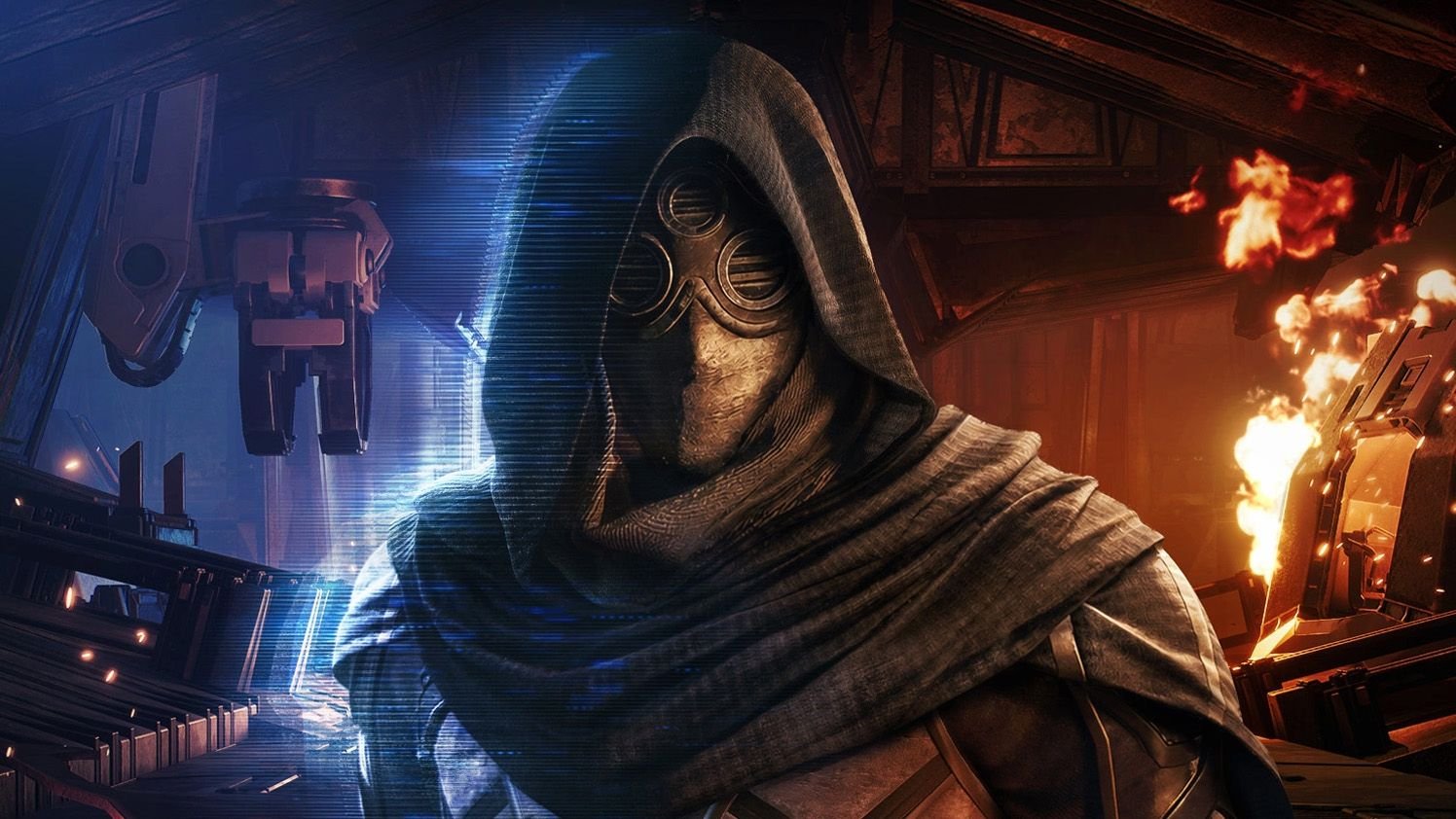
    Recent reports from industry observers showcasing Nodusfall reveal a striking departure from the developer's usual artistic choices. Instead of sunny meadows and cheerful aesthetics, this new dark fantasy action title embraces a grim, atmospheric tone that immediately draws comparisons to challenging contemporary soulslike adventures. The initial reveal has caught many players off guard, trading cute companions for brooding tension and a much heavier mood.

    While complete gameplay details remain scarce, the sudden shift in tone signals an ambitious evolution for the developer. By stepping outside its comfort zone and tackling a more mature, shadowy aesthetic, HoYoverse is proving it is willing to challenge expectations. For fans looking to expand their gaming horizons and try something entirely unexpected from a familiar name, Nodusfall is shaping up to be a project well worth keeping on the radar.

    Original report: Eurogamer.net Latest Articles Feed

  • Funcom Tweaks Dune Awakening to Feature Solo Play and Forgiving Progression

    Funcom Tweaks Dune Awakening to Feature Solo Play and Forgiving Progression

    Survival massively multiplayer online games can often feel like a daunting prospect for players who prefer to experience a rich narrative or explore vast worlds entirely on their own terms. Funcom's upcoming title, Dune Awakening, is addressing these concerns directly. Recent updates reveal that the developers are introducing a solo mode, offering a dedicated path for gamers who were previously hesitant about the project due to its heavy multiplayer and communal focus.

    Alongside the introduction of a single-player experience, the studio has rethought how progression functions within the harsh planetary environment. Navigating the treacherous deserts of Arrakis traditionally involves a high degree of tension and potential setbacks, but adjustments have been made to ensure that participants do not constantly face the threat of losing their hard-earned progress. This shift aims to reduce unnecessary frustration while maintaining the atmospheric challenge associated with the iconic science fiction universe.

    For fans of Frank Herbert's legendary franchise, these changes lower the barrier to entry, allowing everyone from hardcore survival veterans to casual explorers to experience the epic expanse of Arrakis comfortably. Whether you plan to brave the sands alone without the pressure of a persistent multiplayer economy or simply want a more forgiving journey through the desert, these adjustments signal a flexible approach to game design from Funcom as development continues toward release.

    Original report: PCGamer latest

  • CD Projekt Red Clarifies Engine Switch for The Witcher 4

    CD Projekt Red Clarifies Engine Switch for The Witcher 4

    When CD Projekt Red announced that future projects, including the highly anticipated next chapter in The Witcher franchise, would move away from their longtime proprietary technology in favor of Unreal Engine 5, many industry watchers immediately drew connections to the turbulent launch of Cyberpunk 2077. The futuristic RPG faced severe optimization hurdles and performance issues upon release, largely tied to the limitations and complexities of the in-house REDengine.

    However, studio representatives have recently pushed back against that narrative, clarifying that the decision to abandon the proprietary software had little to do with those past technical struggles. According to leadership, the core issue with the sci-fi release was not rooted in the engine itself, refuting assumptions that the transition was simply a reactive measure to fix a broken development pipeline.

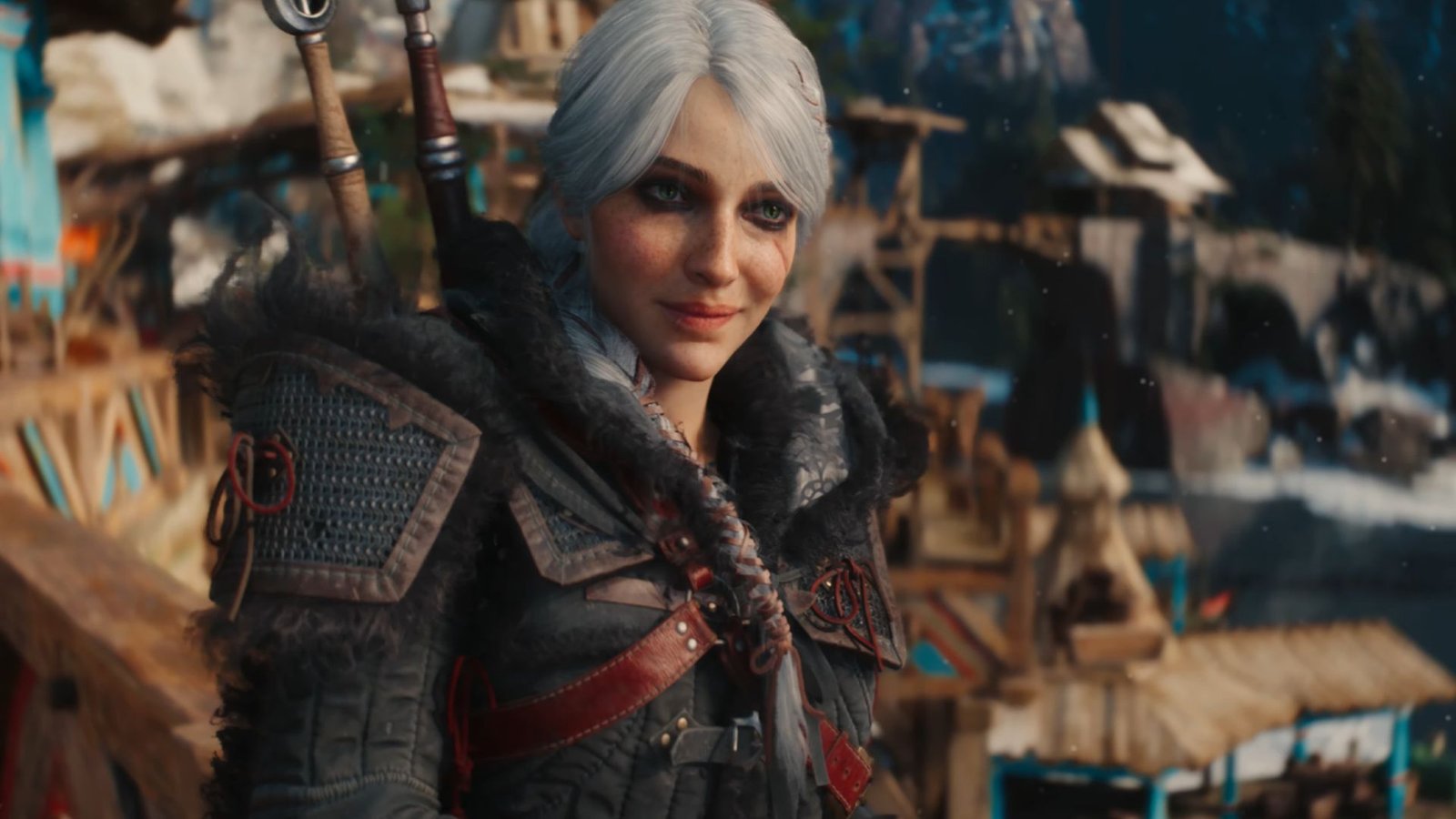
    Instead, the shift toward Epic Games' industry-standard platform comes down to a fundamental reassessment of what the studio wants to achieve. Studio executives explained that the original ambition of the company was never centered on building and maintaining internal technology, but rather on crafting deeply immersive narrative experiences and memorable virtual worlds.

    By adopting Unreal Engine 5, developers can reportedly focus more of their creative and technical bandwidth on gameplay mechanics and storytelling elements rather than constantly rebuilding and troubleshooting foundational engine architecture. As anticipation builds for the next major entry in the beloved fantasy series, this strategic pivot represents a fresh chapter for the developers as they streamline their production workflows for future blockbusters.

    Original report: PCGamer latest

  • Classic Stealth Immersive Sim Thief: The Dark Project Receives Major Unofficial Engine Upgrade

    Classic Stealth Immersive Sim Thief: The Dark Project Receives Major Unofficial Engine Upgrade

    Fans of classic stealth gaming have a compelling reason to revisit the foundational masterpiece that helped define the immersive sim genre. An ambitious community-driven update for the original PC release has arrived, bringing modern enhancements that deepen the stealth gameplay loop in ways that fans have spent decades imagining.

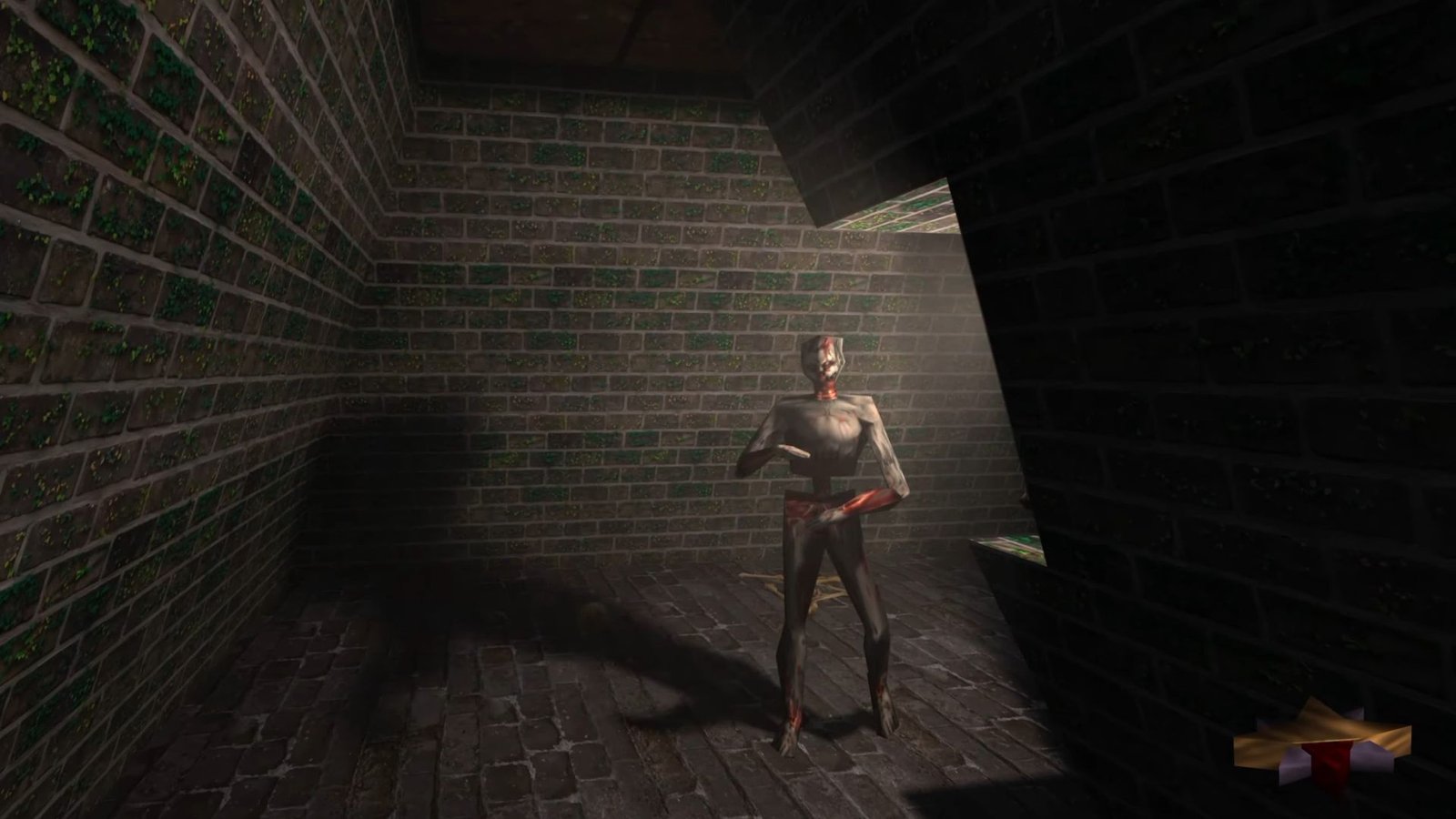
    The modification, known as NewDark version 1.29, fundamentally alters how light and darkness interact with the player character, Garrett. Historically, the title relied on a relatively simple light gem to determine visibility. With this latest community achievement, the underlying engine now calculates visibility based on dynamic elements in the environment. Specifically, players can now utilize the darkness cast by swinging doors to remain concealed, while AI guards gain the ability to spot the master thief's distinct silhouette.

    This community milestone is particularly fascinating given the broader landscape of the franchise. While developers specializing in modernizing retro classics are currently working on an official updated release of the legendary stealth title, this specific engine advancement highlights the dedication of a passionate player base. Rather than waiting for corporate stewardship, dedicated modders continue to push the boundaries of vintage PC titles using reverse-engineering and custom patches.

    For players looking to experience the definitive version of the original subterranean heists and spooky gothic mansions, installing these community updates has never been more relevant. Whether you are a veteran master thief planning the ultimate silent run or a newcomer curious about the roots of modern stealth design, this update ensures that the shadows are deeper and more unpredictable than ever before.

    Original report: PCGamer latest

  • Timeless Classics Never Die: Why Decades-Old RPGs Still Receive Updates

    Timeless Classics Never Die: Why Decades-Old RPGs Still Receive Updates

    The gaming landscape moves at a breathless pace, with shiny new blockbusters arriving nearly every week boasting cutting-edge graphics and massive budgets. Yet, there is a distinct and wonderful charm in watching developers return to historical masterpieces from decades past. It is a rare treat when a legendary title released nearly thirty years ago receives fresh attention and technical care, reminding us of the enduring power of foundational game design.

    For veterans and newcomers alike, these unexpected patches breathe new life into virtual worlds that shaped the genre as we know it today. While modern hardware and operating systems march forward, dedicated creators ensure these foundational experiences remain accessible and polished for contemporary players. This commitment highlights a deep respect for gaming history, proving that truly great design transcends the era in which it was created.

    Beyond just fixing bugs, ongoing maintenance for aging role-playing games fosters vibrant communities that continue to celebrate these milestones. Players revisiting these virtual realms find themselves immersed in sprawling adventures that feel just as compelling now as they did upon their initial debut. For anyone looking to dive back into a masterclass of storytelling and gameplay, there has truly never been a better time to explore the classics.

    Original report: PCGamer latest

  • Why World of Warcraft: Forever is Sparking a Debate on Modern MMO Design

    Why World of Warcraft: Forever is Sparking a Debate on Modern MMO Design

    The ongoing discussion surrounding retro and classic-style server experiences continues to ignite passionate debates within the massively multiplayer online community. For many veterans, the current state of the genre feels overly streamlined, prioritizing rapid progression and constant action over immersion and community connection. A recent conversation sparked by enthusiasts of these older design paradigms highlights a growing nostalgia for the way virtual worlds used to feel before automation and convenience-driven mechanics took center stage.

    In contemporary virtual worlds, players are often guided by a strict routine. You visit a hub, collect a handful of uniform tasks from a designated board, complete them in a tightly controlled zone, and immediately return for your rewards. This predictable loop ensures steady leveling speed, but it often drains the adventure out of the journey. Critics of this streamlined approach argue that it turns a vast, living universe into a mere checklist of chores, removing the sense of genuine discovery and danger that defined earlier eras of online gaming.

    By contrast, older design philosophies embraced friction. Travel took time, danger lurked around every corner, and quests often required genuine patience and social cooperation to overcome. While these elements could occasionally lead to frustration, they also made every small victory feel monumental. When players had to rely on one another to survive a hostile environment, bonds were formed that simply do not happen in today's solo-friendly, fast-paced questing hubs.

    As developers look for new ways to keep audiences engaged, the tension between accessibility and depth remains a central challenge. Whether mainstream titles will ever return to a slower, more deliberate style of world-building is uncertain, but the appetite for friction and meaningful exploration is clearly stronger than ever among a dedicated segment of the player base. For now, the community continues to reflect on what was gained—and what was quietly left behind—in the evolution of the modern MMO.

    Original report: PCGamer latest

  • Unearthing the Infamous Sci-Fi Adventure That UK Customs Physically Smashed to Pieces

    Unearthing the Infamous Sci-Fi Adventure That UK Customs Physically Smashed to Pieces

    Video game history is filled with controversial releases, boundary-pushing themes, and titles that sparked fierce debates among regulators. However, very few interactive projects achieved the legendary level of notoriety associated with Sex Vixens from Space. This obscure title from the medium's past became infamous not just for its adult-oriented premise, but for the dramatic reaction it provoked from official authorities.

    According to historical accounts, the game's content crossed so many lines for the era that British customs officials took the extraordinary step of physically smashing and destroying copies entering the country. In an age before digital distribution, physical media was the sole gateway for gaming entertainment, making border checkpoints a major battleground for censorship. The physical destruction of these cartridges stands as a striking reminder of how strictly media was policed decades ago.

    For modern players and gaming historians, the title exists mostly as an urban legend of the industry's wild west era, where developers pushed against censorship boards with varying degrees of success. While today's gaming landscape embraces mature storytelling, complex adult themes, and diverse content across digital storefronts, looking back at past censorship battles highlights just how far the medium has evolved. The fate of this scandalous space adventure remains one of the most bizarre footnotes in gaming lore.

    Original report: PCGamer latest

  • Unraveling the Secretive Studio Network Behind Nintendo’s Biggest Hits

    Unraveling the Secretive Studio Network Behind Nintendo’s Biggest Hits

    Every time a fresh Nintendo Direct broadcast lights up the internet with unexpected announcements and gorgeous trailers, a familiar ritual begins for devoted fans worldwide. Beyond the initial wave of excitement and speculation, a unique kind of detective work takes over social media and forums. Players do not just watch the footage to appreciate the graphics or new mechanics; they comb through every single frame, searching for subtle clues, visual hints, or familiar stylistic signatures that might reveal which developer is actually crafting the experience.

    Unlike many major publishers that proudly plaster their internal studio names front and center, the Japanese gaming giant frequently maintains a shroud of mystery around its collaborative partners. While iconic franchises like Mario and Zelda are famously steered by internal teams, a vast ecosystem of external developers, subsidiary companies, and second-party studios frequently handles beloved spin-offs, remasters, and even major new entries. This practice often leaves players guessing for months about whether a returning classic is being revived by veteran creators or a fresh team of industry talents.

    This guessing game adds an intriguing layer of anticipation to the already high-stakes world of Nintendo marketing. Scouring credits, analyzing UI elements, and comparing engine physics become a community-wide hobby with every new showcase. Until the official release day finally arrives and the credits roll, identifying the creative minds behind the magic remains one of the industry's most captivating little mysteries.

    Original report: GameSpot – All Content